About Multi Grade Filter With Water Softener
Reverse osmosis system (RO System) is a highly effective method of removing contaminants from unfiltered water, or feed water. When pressure is applied, it forces the water through a semipermeable membrane with small pores that block contaminants while allowing water molecules to pass through. Once filtered by reverse osmosis, the water becomes clean and healthy to drink.
This reverse osmosis system (RO System) is designed to clean drinkable water. It has a special RO membrane that removes chlorine, sediment and other dissolved substances from water before it reaches the faucet. The final stage uses a postfilter to polish the water for an exceptional drinking experience.
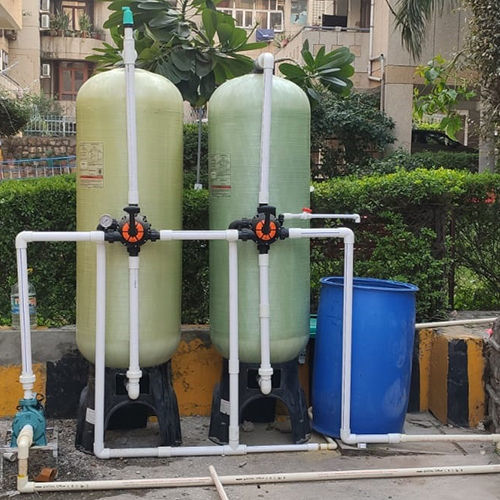
Superior Filtration and SofteningThis system utilizes a multi-layer media bed made of gravel, sand, and anthracite to deliver highly efficient water filtration for diverse industrial and commercial needs. When paired with the integrated ion exchange softener, it produces water with hardness levels reduced to below 5 ppm, effectively preventing scale buildup in critical applications.
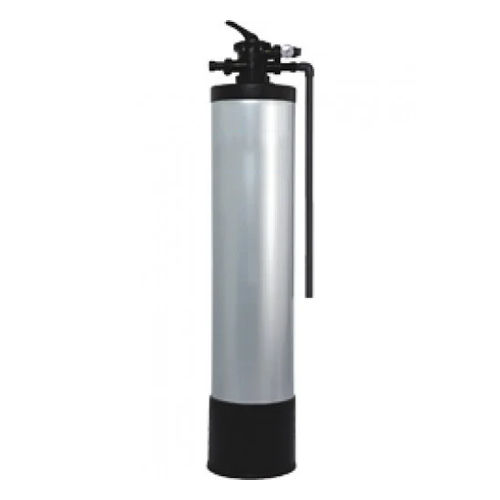
Customizable and Durable DesignDesigned for versatility, the filter-softener combo features standard sizes with diameters ranging from 300 to 1600 mm and body thickness of 2-6 mm. Its corrosion- and pressure-resistant stainless steel construction is available in either polished or matt finishes, ensuring longevity even under rigorous operation and up to 50C working temperature.
Low Maintenance, High EfficiencyEngineered for minimal upkeep, the system delivers up to 98% filtration efficiency over a service life of 8-10 years. Its modular design allows for easy installation as a standalone or skid-mounted unit and is suitable for a wide range of flow capacities. Manual or automatic control options provide flexibility in day-to-day operation.
FAQ's of Multi Grade Filter With Water Softener:
Q: How does the Multi Grade Filter With Water Softener work?
A: This system operates on a dual-stage process. First, water passes through layered gravel, sand, and anthracite media to remove suspended particles. Then, it enters the ion exchange softener, where hard minerals are exchanged for sodium ions, reducing hardness to below 5 ppm and ensuring soft water output.
Q: What are the main benefits of using this filtration system?
A: Key benefits include efficient removal of impurities, significant reduction in water hardness, corrosion and pressure resistance, long service life, and low maintenance requirements. The treated water helps protect equipment from scaling and extends operational lifespan in industrial and commercial settings.
Q: When should the filter media and softener be serviced or replaced?
A: With proper use, the filtration media and softener resin can last 8-10 years. Maintenance schedules may vary based on water quality and operating conditions, but regular inspections are recommended to ensure optimal performance.
Q: Where can this system be installed and used?
A: It is designed for installation in both industrial and commercial environments. Flexibility in installation is provided through skid-mounted or standalone options, making it suitable for factories, manufacturing plants, business complexes, and service provider facilities.
Q: What control options are available for the system?
A: Control can be tailored to user preference, with both manual and automatic operation modes. This allows users to select the best mode for their operational requirements and ease of use.
Q: How should I choose the appropriate model for my application?
A: Model selection depends on your required water flow rate (ranging from 500 LPH to 50,000 LPH), inlet/outlet connection type (flanged or threaded), space constraints, and the intended application. Consulting with the supplier or manufacturer will ensure you receive a unit tailored to your needs.
Q: What is the typical process for installing this filter-softener unit?
A: Installation is straightforward, as units are available in skid-mounted or standalone configurations. The process involves connecting inlet and outlet lines (flanged or threaded), ensuring a level surface, and setting up the control type. Professional guidance is recommended for optimal setup and integration into your water system.


 Send Inquiry







 Send Inquiry

 Send Inquiry
 Send SMS